

Motorcycle Accident Compensation Claims
If you were injured in a motorcycle accident caused by another road user or organisation, you may be able to claim compensation for your injuries and associated financial losses.
Tylers Solicitors has more than 16 years of personal injury experience. We can assess liability, preserve evidence, arrange appropriate medical evidence and pursue compensation that reflects the effect of the accident on your life.
Initial assessments are free and without obligation. If we accept your claim, we may be able to act under a No Win No Fee agreement, whose terms and any deductions will be explained before you proceed.


Can I Make A Motorcycle Accident Compensation Claim?
A road traffic accident claim may be possible where another party owed you a duty of care, breached that duty and caused or materially contributed to the accident and injury.
The responsible party might be another driver, a highway authority, a motorcycle or component manufacturer, or a garage responsible for negligent repairs. Claims can include direct collisions, being knocked off and non-contact accidents where another road user’s actions force a rider to brake or take evasive action.
You may still be able to claim if you were partly responsible, although compensation can be reduced to reflect contributory negligence. Pillion passengers can also have a claim, including where the motorcycle rider was responsible.
Call 0800 699 0079 or use the enquiry form for a free initial assessment.
Common Causes Of Motorcycle Accidents
Motorcycle claims can arise from failures to observe a rider, unsafe manoeuvres, defective roads or problems with the motorcycle itself. Common scenarios include:
Motorcycle Accidents At Junctions
A driver may pull out, turn across a rider’s path or fail to see an approaching motorcycle. A collision is not essential: an evasive manoeuvre that causes the rider to fall can still support a claim where the evidence establishes negligence and causation.
Motorcycle Accidents On Roundabouts
Roundabout accident claims can involve a vehicle entering without giving way, changing lanes, cutting across an exit or striking a motorcycle from behind. Road layout, lane markings, signals, CCTV and witness evidence may all be relevant.
Being Knocked Off A Motorcycle
A rider can be knocked off by a vehicle changing lanes, overtaking too closely, opening a door, turning across the motorcycle or striking it from behind. The resulting claim may include injuries, protective equipment, motorcycle damage and other supported losses.
Motorway And High-Speed Motorcycle Accidents
Motorway accident claims can involve unsafe lane changes, blind spots, debris, close overtaking and collisions with larger vehicles. Higher speeds may increase the seriousness of the injuries, but liability still depends on evidence of how the accident occurred.
Potholes, Spillages And Defective Road Surfaces
Potholes, loose gravel, diesel, mud, debris or unsafe repairs can cause a rider to lose traction. A claim against a highway authority or another organisation depends on who was responsible, what they knew or should have known, the inspection system and the available evidence. See our pothole injury claims page for related information.
Defective Motorcycles Or Negligent Repairs
A defect in a tyre, brake, steering component or other part may contribute to a crash. Depending on the evidence, responsibility could rest with a manufacturer, supplier or garage and may involve a product liability claim. The motorcycle and component should be preserved for expert inspection wherever possible.
Highside And Lowside Motorcycle Accidents
What Is A Lowside Motorcycle Accident?
A lowside occurs when one or both tyres lose grip and the motorcycle falls towards the inside of the turn or slide. The rider and bike usually continue along the road surface, which can cause road rash, lacerations, fractures and injuries to the hands, wrists, shoulders, hips, knees and legs.
Possible causes include diesel or another spillage, gravel, a pothole, defective surfacing, a sudden evasive manoeuvre forced by another road user, a defective component or negligent maintenance. A lowside caused solely by rider error will not ordinarily establish a claim against another party. The relevant question is whether someone else’s negligence caused or materially contributed to the loss of control.
What Is A Highside Motorcycle Accident?
A highside commonly occurs when the rear tyre loses traction and then abruptly regains grip, causing the motorcycle to rotate and throw the rider upwards or forwards. The mechanism can produce serious head, spinal, shoulder, pelvic and limb injuries.
Traction may be disturbed by an emergency manoeuvre, a contaminated or defective surface, contact with another vehicle, a mechanical defect or an unsafe repair. The violence of the accident does not by itself establish liability; evidence must connect the highside to another party’s act or omission.
Evidence Following A Highside Or Lowside Accident
Useful evidence can include helmet-camera or dashcam footage, photographs of the surface and motorcycle, witness details, police records, CCTV, weather information and servicing or repair documents. Where a road or mechanical defect may be involved, preserve the motorcycle, tyres, protective equipment and damaged components until expert inspection has been considered.
Common Motorcycle Accident Injuries
The nature of a motorcycle injury depends on the mechanism of the crash, speed, impact, road surface and whether the rider struck another vehicle or object. Protective equipment can reduce some risks but cannot prevent every injury.
Common injuries include the following.
Road Rash, Lacerations And Scarring
Sliding across the road can cause abrasions, cuts, embedded debris and permanent scarring. Some injuries require wound care, surgery or specialist scar treatment. The location, extent and psychological effect of visible scarring may be relevant to valuation.
Fractures And Orthopaedic Injuries
Motorcycle accidents can cause fractures, dislocations, ligament damage and soft-tissue injuries affecting the wrists, arms, shoulders, ribs, pelvis, hips, knees, legs and ankles. Our leg injury claims page explains related lower-limb injuries. Medical evidence should identify the treatment, recovery, continuing symptoms and any effect on work or mobility.
Life-Changing Injuries
Serious motorcycle accidents can cause brain injury, spinal injury, paralysis, amputation, chronic pain and psychological injury.
These claims may require evidence concerning future treatment, rehabilitation, care, accommodation, equipment, employment and long-term financial security. Where liability is admitted, interim payments may sometimes help meet urgent needs before final settlement.
Estimate Your Motorcycle Accident Compensation
How Our Motorcycle Accident Solicitors Can Help
Our team can investigate liability, communicate with insurers, obtain police and medical records, arrange independent medical evidence and calculate both injury compensation and supported financial losses.
For serious injuries, the claim may also address rehabilitation, future care, equipment, accommodation and employment. We can consider interim payments where the legal requirements are met and represent you if court proceedings become necessary.
We can also advise a family following a fatal motorcycle accident and explain the different claims that may be available. For practical guidance immediately after a collision, read what to do after a motorcycle accident.
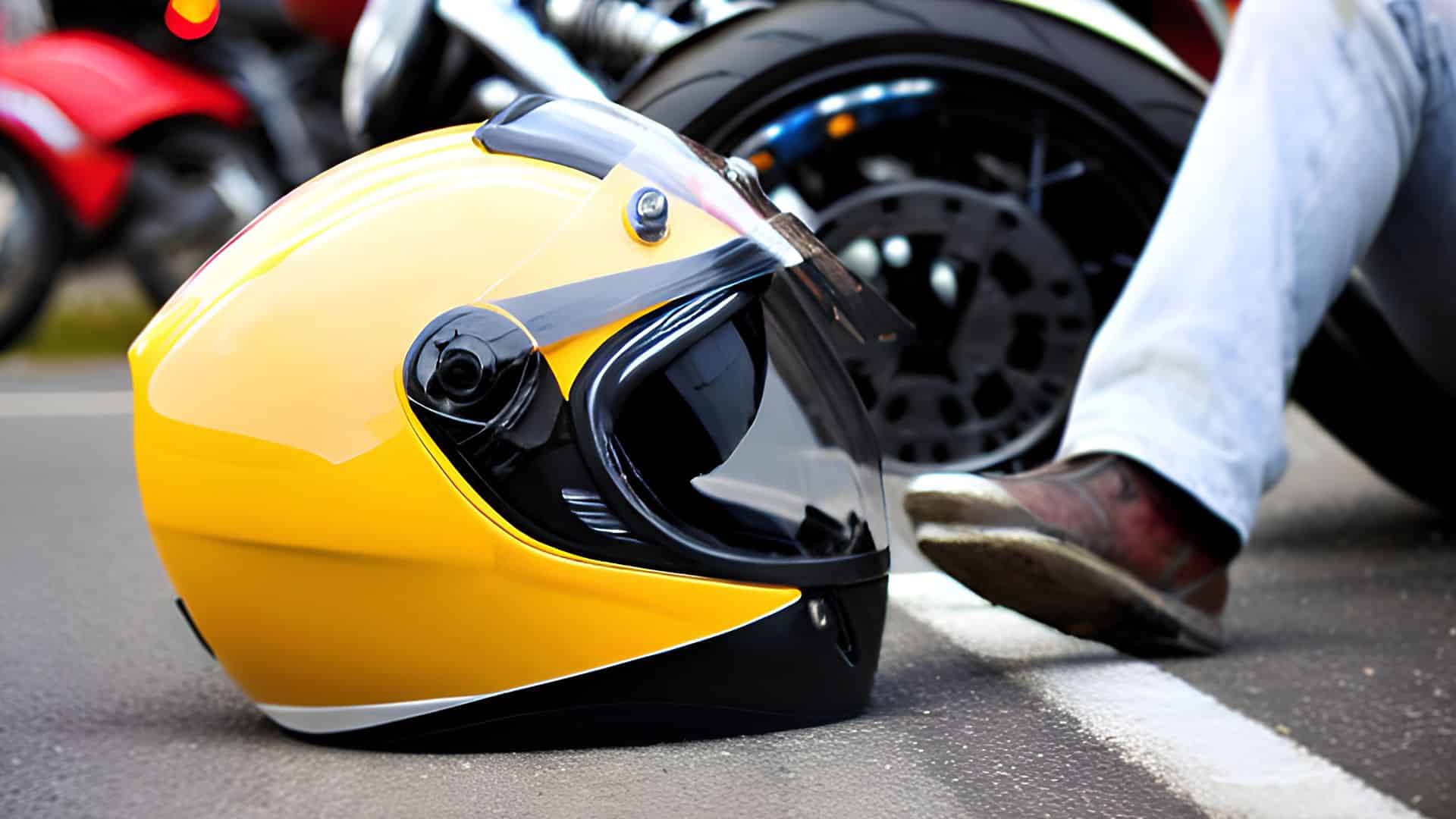
What Can Motorcycle Accident Compensation Include?
A civil compensation claim can include general damages for pain, suffering and loss of amenity, together with special damages for reasonable financial losses caused by the accident.
Depending on the evidence, special damages may include:
- past and future loss of earnings;
- treatment, physiotherapy and rehabilitation;
- care, support, equipment and home adaptations;
- travel to medical appointments;
- damage to the motorcycle, helmet and protective clothing;
- recovery, storage and replacement transport costs; and
- future expenses supported by expert evidence.
Keep invoices, receipts, wage records and details of assistance provided by family or friends. Insurers may deal with motorcycle damage separately, but it should still be recorded when assessing the overall loss.
Motorcyclists can sustain significant injuries even in a collision that appears relatively low-speed. Compensation is based on the actual medical and financial consequences—not the size of the vehicles or the appearance of the initial damage.
Evidence Needed For A Motorcycle Accident Claim
Your health comes first. Seek appropriate medical attention and report the collision where required. If it is safe and practical, useful evidence can include:
- the police incident number and details exchanged with other road users;
- witness names and contact information;
- helmet-camera, dashcam, CCTV or mobile-phone footage;
- photographs of the vehicles, road, debris, defects and protective equipment;
- medical records and photographs showing the injuries;
- motorcycle inspection, recovery, repair and valuation documents;
- insurance correspondence; and
- receipts, invoices and wage records showing financial losses.
Write down what happened while it is fresh, including the route, direction of travel, road and weather conditions, signals, manoeuvres and approximate positions of the vehicles. Do not arrange destructive repairs or disposal where a component or roadworthiness defect may require expert examination.
Why Choose Tylers For A Motorcycle Accident Claim?
Tylers Solicitors is SRA regulated and has more than 16 years of personal injury experience. We support injured riders and pillion passengers across England and Wales with clear advice, evidence gathering and practical assistance throughout the claim.
If we accept your case, we may be able to act under a No Win No Fee agreement. Before you proceed, we will explain the success fee, any insurance and the circumstances in which costs could be payable.
Call 0800 699 0079, email info@tylerssolicitors.co.uk or complete the enquiry form for a free, no-obligation assessment.
Motorcycle Accident Compensation Amounts
There is no single average payout for a motorcycle accident. The value depends on the injuries, recovery, long-term prognosis and the supported financial consequences.
General damages are assessed using independent medical evidence, comparable cases and the current Judicial College Guidelines. Financial losses are calculated separately. Where several injuries overlap, they cannot simply be added together without considering their combined effect.
Use the calculator below for a broad indication, or read our guide to the average payout for a motorcycle accident. Neither replaces an individual valuation by a solicitor.
Motorcycle Accident Compensation Calculator
Select the injury category, affected area and severity that most closely reflect your circumstances. The result is a broad guideline estimate for the injury element only. It does not automatically include lost earnings, rehabilitation, care, equipment, motorcycle damage or other financial losses, and it is not a guaranteed settlement figure.
Find out how much compensation you could claim

Need more information? Don’t worry, one of our professional claims solicitors will advise you along the way
How Is Motorcycle Accident Compensation Calculated?
A civil award may include general damages for pain, suffering and loss of amenity plus special damages for proven financial losses. The medical evidence, duration of recovery, continuing disability, effect on work and future needs all influence the final valuation.
Head And Brain Injuries
Motorcycle accidents can cause injuries ranging from minor head trauma to severe brain injury. Valuation depends on the diagnosis, recovery, cognitive or behavioural effects, ability to work and future care or support. Helmet use does not prevent every injury.
Neck, Back And Shoulder Injuries
Neck, back and shoulder injuries can range from temporary soft-tissue symptoms to fractures, disc damage or permanent restriction. Treatment, prognosis and the effect on work and ordinary activities determine the appropriate category.
Road Rash, Scarring And Facial Injuries
Abrasions and lacerations may heal quickly or result in infection, surgery and permanent scarring. The location, visibility, psychological impact and treatment options can all affect valuation.
Spinal Cord Injury, Paralysis And Amputation
The most serious motorcycle claims may involve spinal cord damage, paraplegia, quadriplegia or amputation. These cases require detailed evidence concerning lifelong care, rehabilitation, accommodation, equipment, employment and financial security.
Table of Contents
Motorcycle Accident Compensation FAQs
How Long Do I Have To Make A Motorcycle Accident Claim?
For most civil personal injury claims in England and Wales, the usual limitation period is three years from the accident or relevant date of knowledge. Different rules can apply to children, people who lack mental capacity, accidents abroad and claims involving particular defendants. Seek advice promptly because evidence can disappear well before the deadline.
Can A Pillion Passenger Claim Compensation?
A pillion passenger may be able to claim where the motorcycle rider, another road user or another responsible party caused the accident. This can apply even where the rider is a friend, partner or family member, because the claim will ordinarily be handled by the relevant insurer.
Can I Claim If The Driver Was Uninsured Or Left The Scene?
Potential compensation may still be available through the Motor Insurers’ Bureau where a negligent driver was uninsured or cannot be traced. Our hit-and-run compensation guide explains the related evidence and reporting considerations. These cases have their own procedures, so report the incident and obtain advice promptly.
Can I Claim If I Was Not Wearing Full Protective Equipment?
Possibly. Not wearing particular protective clothing does not automatically prevent a claim where another party caused the accident. However, an insurer may argue that suitable equipment would have reduced an injury. Any reduction depends on the evidence and the relationship between the missing equipment and the injury sustained.
Motorcyclists and pillion passengers must comply with the current legal helmet requirements. Safety standards can change, so use official government guidance rather than relying on an undated equipment list.
Related Motorcycle Injury Claims

Motorcycle accidents can cause head and brain injuries ranging from concussion to life-changing trauma. Our team can help assess the appropriate evidence and compensation.

Neck injuries can involve soft-tissue symptoms, fractures, disc damage or lasting restriction following a motorcycle collision.

Leg injuries are common where a rider is struck, trapped beneath the motorcycle or thrown onto the road.

Back and spinal injuries can range from temporary pain to permanent neurological damage requiring long-term rehabilitation and support.

Start Your Motorcycle Accident Claim
If you or a family member was injured in a motorcycle accident, contact Tylers Solicitors for a free, no-obligation assessment. We will consider liability, evidence, the applicable time limit and whether No Win No Fee funding is available.