Car Crash Claims
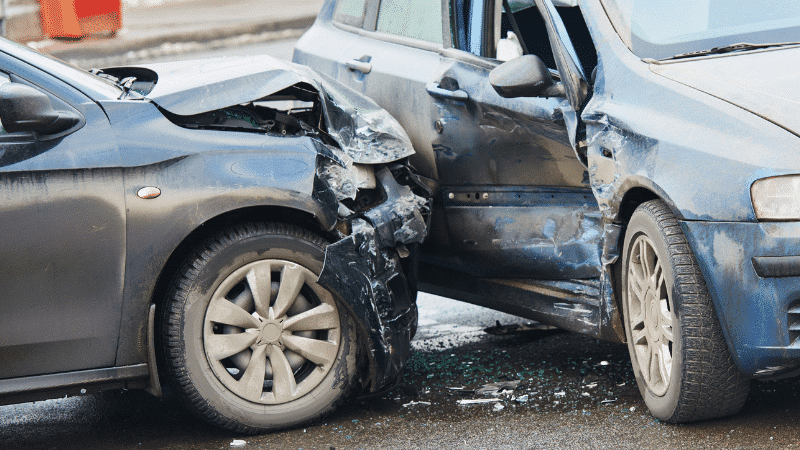
A car crash can leave you dealing with injuries, financial pressure and a lot of uncertainty about what happens next. If the accident was not entirely your fault, you may be able to make a car crash claim for compensation.
At Tylers Solicitors, we support drivers, passengers and pedestrians across the UK with no win no fee car crash claims, helping clients recover compensation for injuries, lost earnings, vehicle damage and other losses linked to the accident.
Whether you were injured in a low-speed collision, a serious multi-vehicle crash or a hit and run incident, our team can guide you through the process from start to finish.
Call us on 0800 699 0079 or fill in our online contact form for a free consultation about your car crash compensation claim.



Can You Make A Car Crash Compensation Claim?
You may be able to make a car crash compensation claim if another road user caused or contributed to the accident. This includes situations where another driver was speeding, distracted, failed to give way, drove carelessly or breached road traffic laws.
You can still claim if:
- You were partly at fault for the collision
- You were a passenger in the vehicle
- You were a pedestrian or cyclist
- The other driver was uninsured
- The other driver left the scene
In most cases, you have three years from the date of the accident to start a claim. If the injured person was under 18 at the time of the crash, the three-year time limit begins on their 18th birthday.
If you are unsure whether you have a valid claim, speak to Tylers Solicitors today for straightforward advice about your options.
Types Of Car Crash Claims We Handle
Car crashes can happen in many different ways. Identifying the type of collision can help establish how the accident occurred, who may have been responsible and what evidence is likely to be important.
Common types of car crash claims include:
- Head-on collision claims: These happen when vehicles travelling in opposite directions collide. They may be caused by unsafe overtaking, drifting into oncoming traffic or driving on the wrong side of the road.
- Rear-end collision claims: A rear-end collision occurs when one vehicle strikes the back of another, often because a driver was following too closely, distracted or unable to stop in time. These crashes frequently cause whiplash and other soft-tissue injuries.
- Side-impact and T-bone collision claims: These commonly occur at junctions when a driver fails to give way, crosses another vehicle’s path or proceeds through a red light. Occupants on the side of impact may be particularly vulnerable to head, chest, pelvic and spinal injuries.
- Sideswipe and unsafe lane-change claims: Two vehicles may collide along their sides when a driver changes lane without checking a blind spot, misjudges the available space or drives carelessly on a narrow road. The initial contact can also force a vehicle into other traffic or an obstacle.
- Multi-vehicle collision claims: Pile-ups and chain reaction crashes can involve several drivers and more than one insurer. Dashcam footage, CCTV, witness details and vehicle damage can be especially important when establishing how responsibility should be divided.
You do not need to identify the precise category or prove fault before contacting us. Tylers Solicitors can investigate how the crash happened, consider the available evidence and advise whether you may have a claim.
Head-On Collision Compensation Claims
A head-on collision happens when the fronts of two vehicles travelling in opposite directions collide. Because the combined force can be substantial, these accidents can cause serious or life-changing injuries even where one vehicle was travelling relatively slowly.
Common causes include unsafe overtaking, excessive speed, distraction, fatigue, loss of control, crossing the centre line and entering a one-way road in the wrong direction. Responsibility normally depends on the specific evidence and may involve one driver, several road users or, in some cases, another party responsible for a dangerous vehicle or road condition.
Head-on collision injuries can include:
- Head and brain injuries, including concussion
- Chest injuries, fractured ribs and internal injuries
- Spinal injuries and damage to the back or neck
- Broken bones, limb injuries and reduced mobility
- Psychological injuries, including anxiety and post-traumatic stress
- Fatal injuries resulting in a claim by eligible dependants or the estate
Useful evidence can include police records, photographs of the road and vehicle positions, dashcam or CCTV footage, witness details, vehicle damage reports and medical evidence. A successful claim may account for the injury itself as well as lost earnings, treatment, rehabilitation, care, travel and other reasonable financial losses caused by the collision.
Rear-End Collision And Shunt Claims
A rear-end collision, sometimes called a rear-end shunt, happens when one vehicle strikes the back of another. It may occur in slow-moving traffic, at traffic lights, on a roundabout approach or at higher speed on a motorway. If another road user caused or contributed to the collision and you were injured, you may be able to make a rear-end collision compensation claim. Drivers are not the only people who may be eligible: passengers injured in a car accident may also be able to claim, including where the driver of the vehicle they were travelling in was responsible.
Who Is Responsible For A Rear-End Collision?
The driver behind is often responsible because motorists should leave enough distance to stop safely if traffic slows or stops. However, responsibility is not automatic and depends on the evidence in each case. A collision may involve a vehicle reversing unexpectedly, an unsafe lane change, defective brake lights, a sudden obstruction or a chain reaction involving several vehicles. Liability can also be shared where more than one road user contributed to the accident.
What Evidence Can Support A Rear-End Shunt Claim?
Useful evidence can include dashcam or CCTV footage, photographs of the vehicle positions and damage, witness details, police or incident records, repair reports and medical records. In a multi-vehicle shunt, the pattern of damage and the sequence of impacts can help establish which driver caused each collision. Save footage promptly because some systems overwrite recordings automatically.
Common Injuries After A Rear-End Collision
The sudden movement created by a rear impact commonly affects the neck, shoulders and back, although more serious collisions can cause fractures, head injuries or psychological trauma. Injuries may include:
- Whiplash and other soft-tissue injuries
- Neck injuries, shoulder injuries and restricted movement
- Back injuries, including muscular and disc injuries
- Head and brain injuries, including concussion
- Spinal injuries and nerve damage
- Fractures and injuries caused by seatbelts or airbags
- Travel anxiety, depression or post-traumatic stress
Compensation may account for the injury and its effect on your life, together with reasonable financial losses such as lost earnings, treatment, rehabilitation, travel, care and vehicle-related expenses. Many lower-value road-traffic whiplash claims are subject to the statutory whiplash tariff, while additional or more serious injuries are assessed separately using the medical evidence.
What Can You Claim For After A Car Crash?
Car crash compensation is usually divided into two categories known as heads of claim.
The first is general damages. This covers the physical and psychological impact of the accident itself. That may include whiplash, fractures, soft tissue injuries, chronic pain, PTSD, anxiety, depression or serious brain and spinal injuries.
The second is special damages. These cover the financial impact of the accident and are often overlooked by claimants who accept an early settlement offer without legal advice.
Special damages can include:
- Loss of earnings during recovery
- Future loss of income if you cannot return to work
- Medical treatment and rehabilitation costs
- Physiotherapy expenses
- Prescription charges
- Travel expenses to appointments
- Vehicle repair or replacement costs
- Hire car costs
- Care and assistance provided by family members
- Adaptations to the home after serious injuries
The more serious the injury, the more heads of claim are likely to apply. For that reason, it is important to keep receipts, invoices and records of expenses from the date of the accident onwards.
You may also be entitled to claim for psychological injuries after a collision. Many people experience travel anxiety, panic attacks, flashbacks or post-traumatic stress after a serious road traffic accident.
How Much Compensation Can You Claim After A Car Crash?
The amount of compensation available in car crash claims depends on the severity of the injury, how long symptoms last and the financial losses linked to the accident.
Compensation figures are usually guided by the Judicial College Guidelines, 18th edition, published in April 2026, alongside evidence relating to lost earnings and other financial losses.
The average payout for a car accident in the UK is often reported at around £12,000, although settlements vary significantly depending on the circumstances.
Below are examples of compensation ranges often seen in car crash injury claims.
Car Crash Claims Amounts
Injury Type | Typical Compensation Range |
Minor whiplash injuries | £240 to £4,215 |
Moderate neck injuries | £9,630 to £16,770 |
Serious neck injuries | £55,500 to £181,020 |
Minor back injuries | Up to £15,260 |
Moderate back injuries | £15,260 to £47,320 |
Severe back injuries | £47,320 to £196,450 |
Moderate psychological injuries | £7,150 to £27,060 |
Severe PTSD | £73,050 to £122,850 |
Moderate brain injuries | £52,550 to £267,340 |
Severe brain injuries | £344,150 to £493,000+ |
Serious leg fractures | £66,920 to £187,840 |
Whiplash claims involving injuries valued under £5,000 are now subject to the Civil Liability Act 2018 reforms introduced in May 2021. This created a fixed tariff system for many lower-value whiplash claims.
Final compensation amounts depend on the full medical evidence, financial losses and the long-term impact of the injury.
For a broader guide to settlement figures, read our article on the average payout for a car accident in the UK.
If you have suffered life-changing injuries, visit our serious injuries page for more information about catastrophic injury claims.
How much compensation are you entitled to?
Understanding The Car Crash Claims Process
Many people delay making a claim because they assume the process will be stressful or complicated. In reality, most car crash claims follow a structured process and many settle without the need for court proceedings.
- Report The Accident
If possible, report the collision to the police and exchange details with the other driver. Notify your insurer about the accident as soon as you can. - Seek Medical Attention
Medical evidence forms the foundation of any car crash injury claim. Even if injuries seem minor initially, symptoms such as whiplash and psychological trauma may develop later. - Gather Evidence
Take photographs of the vehicles, road layout and any visible injuries. Keep dashcam footage, witness details and receipts linked to the accident. - Contact Tylers Solicitors
We will review the circumstances of the accident, assess whether you are eligible to claim and explain how a no win no fee agreement works. - Your Claim Progresses
Our solicitors gather evidence, arrange an independent medical assessment and negotiate with the insurer on your behalf. - Settlement
Most claims settle through negotiation rather than a court hearing. Compensation is agreed once medical evidence confirms the full extent of the injuries.
Understanding Claims Tracks
Different claims follow different court tracks depending on value and complexity.
Small claims / OIC portal
Claims involving minor injuries worth under £5,000, including many whiplash claims, are usually handled through the Official Injury Claim portal.
Fast track claims
Claims valued between £5,000 and £25,000 are usually managed through the standard fast track process.
Intermediate track claims
Claims valued between £25,000 and £100,000 follow the intermediate track.
Multi-track claims
Claims worth more than £100,000 are generally serious or catastrophic injury cases requiring more extensive evidence.
Tylers Solicitors handles car crash claims across all claims tracks.
Use Our Car Accident Injury Claim Calculator
Our compensation calculator can give you a rough estimate of how much compensation may apply to your injuries following a car crash.
The calculator uses compensation ranges linked to Judicial College Guidelines and allows you to select injury type and severity to generate an estimated compensation figure. While this can be useful as an early guide, every claim is different and the final settlement depends on the medical evidence and financial losses involved.
A free consultation with Tylers Solicitors will provide a more accurate assessment of your claim and help you understand what additional losses may be recoverable alongside the injury itself.
Find out how much compensation you could claim
What Evidence Do You Need For A Car Crash Claim?
Strong evidence can significantly improve the chances of a successful claim.
Helpful evidence includes:
- Photographs of the accident scene
- Damage to all vehicles involved
- Road markings and skid marks
- CCTV footage
- Dashcam footage
- Witness contact details
- Insurance information for the other driver
- Medical records from hospitals or GPs
- Receipts for expenses linked to the accident
- A diary recording symptoms and recovery progress
Dashcam footage and CCTV should be saved as soon as possible, as it may later be deleted automatically.
Independent medical evidence is also important. Tylers Solicitors can arrange a medical assessment with an appropriate specialist to evaluate the injuries and long-term impact of the collision.
Beware The Insurer’s Early Offer
After a car crash, insurers sometimes make quick settlement offers before the full impact of the injury is understood.
While these offers may appear tempting, they are often far lower than the amount ultimately recoverable through a properly prepared claim. Once a settlement is accepted, it is usually impossible to return later and ask for further compensation if symptoms worsen.
An insurer may not yet know:
- Whether your symptoms will become long-term
- Whether you will need rehabilitation or physiotherapy
- Whether you will lose future earnings
- Whether psychological symptoms will develop later
Before accepting any settlement offer after a car crash, it is sensible to seek legal advice first.
Uninsured And Hit-And-Run Driver Claims
You may still be able to claim compensation if the at-fault driver had no valid insurance, gave false details or left the scene and could not be traced. These cases follow a different route from an ordinary claim against an identified driver’s insurer, but the absence of insurance does not automatically prevent a claim.
Claims Against An Uninsured Driver
An uninsured driver is an identified driver who did not have appropriate motor insurance in place. Subject to the relevant eligibility rules, a claim may be made through the Motor Insurers’ Bureau (MIB) under the Uninsured Drivers’ Agreement. This can apply whether you were another driver, a passenger, cyclist, motorcyclist, pedestrian or property owner affected by the collision.
Hit-And-Run And Untraced Driver Claims
A hit-and-run claim usually falls under the Untraced Drivers’ Agreement when the person responsible cannot be identified. The driver may have left the scene, failed to provide their details or supplied false information. The MIB can consider claims for personal injury and, in qualifying cases, property damage.
MIB guidance says a collision involving a hit-and-run driver must be reported to the police within 14 days, even if the compensation claim is submitted later. It is therefore important to report the incident and preserve evidence as quickly as possible.
Evidence For An Uninsured Or Hit-And-Run Claim
If it is safe to do so, try to collect:
- The vehicle registration, make, model, colour and direction of travel
- Photographs or video of the scene, damage and relevant road conditions
- Dashcam footage and details of any nearby CCTV
- Names and contact details for witnesses
- The police incident or crime reference number
- Medical records and photographs of your injuries
- Receipts and records of lost earnings or other accident-related costs
You should also notify your own motor insurer promptly. Do not worry if you could not obtain every detail at the scene; Tylers Solicitors can review the available evidence and explain which claim route may apply.
What Can The Claim Cover?
Depending on the circumstances and the applicable agreement, compensation may cover physical and psychological injuries, lost earnings, treatment and rehabilitation, care and assistance, travel costs and qualifying property damage. The amount will depend on the medical evidence, the financial impact of the accident and the MIB rules that apply to the case.
Can You Claim If The Accident Was Partly Your Fault?
You may still be able to claim compensation if you were partly responsible for the collision.
This is known as contributory negligence. In these cases, compensation may be reduced to reflect the level of responsibility assigned to each party.
For example, if a claim is valued at £20,000 but you are found 25% responsible for the accident, the final award may be reduced to £15,000.
Not wearing a seatbelt may also affect compensation if the injuries were made worse because a seatbelt was not being worn.
Why Choose Tylers Solicitors For Your Car Crash Claim?
6Tylers Solicitors has more than 16 years of experience handling road traffic accident claims for clients across the UK.
We understand that making a claim after a collision can feel overwhelming, particularly when you are trying to recover from injuries and deal with insurers at the same time. Our role is to make the process as straightforward as possible.
When you instruct Tylers Solicitors, we will:
- Handle all communication with insurers
- Arrange independent medical assessments
- Gather supporting evidence for your case
- Advise you on compensation and settlement offers
- Support you through every stage of the claim
We offer no win no fee car crash claims, which means there are no upfront legal fees to begin your case. If your claim succeeds, a success fee is deducted from the compensation, capped at 35% in line with the agreement terms explained to you at the outset.
Tylers Solicitors is SRA regulated and supports clients nationwide from Greater Manchester and the North West.
For advice about road traffic accident claims, contact our team today.
Speak To Tylers Solicitors About Your Car Crash Claim
If you have been injured in a car accident that was not your fault, contact Tylers Solicitors today for clear, practical advice about your options.
Our team can assess your claim, explain how no win no fee works and help you understand how much compensation you may be entitled to receive.
Call 0800 699 0079, email us at info@tylerssolicitors.co.uk or fill in our online contact form to get started.
Table of Contents
Car Crash Claim FAQs
Could a car crash leave me with psychological injuries?
Yes, the trauma and stress triggered by a car crash can sometimes lead to psychological injuries, such as depression, anxiety, and post-traumatic stress disorder (PTSD). From flashbacks and trouble sleeping to a fear of travelling in vehicles, this can manifest in many ways.
When you work with our team of solicitors, you’ll receive expert support to ensure you receive the compensation you deserve for both physical and psychological car crash injuries.
Will a non-fault accident affect my insurance in the UK?
There is a chance that a car accident can increase your insurance premiums even if it wasn’t your fault, as the insurer may see you as a higher-risk driver. However, this will depend on your particular insurer’s policy details.
Will I have to go to court?
Most car crash claims settle through negotiation. Only a small percentage of claims proceed to a final court hearing.
Can I claim if the car crash was partly my fault?
Yes. You may still receive compensation under contributory negligence rules, although the final award could be reduced.
Can I claim after a collision with an emergency vehicle?
Possibly. Emergency vehicle drivers can have limited exemptions from some road traffic rules when responding to an emergency, but those exemptions are conditional and do not automatically prevent a compensation claim.
Liability will depend on how the collision happened, whether appropriate care and warnings were used, and whether the driver’s actions were reasonable in the circumstances. Because these cases can be more complex than an ordinary car crash claim, it is sensible to obtain legal advice about the specific evidence and exemptions involved.
How long do I have to make a car crash compensation claim?
The time limit for claiming car accident compensation is three years from the date of your injury. There are one or two exceptions to this, where you may be granted extra time. If you are unsure about the regulations, please contact our team. We will be happy to check the viability of your claim.
What is the average compensation for a car accident in the UK?
The amount you may be eligible for when you claim car accident compensation will vary depending on your unique circumstances. However, the average payout for car crash claims is around £12,000 in the UK.
What can you claim for in a car accident?
You may be able to claim for physical injuries, psychological injuries, vehicle damage, medical expenses, lost earnings, care costs and travel expenses linked to the collision.
What happens if the other driver was uninsured or drove off?
Claims involving uninsured or untraceable drivers are usually handled through the Motor Insurers Bureau. The accident should be reported to the police as soon as possible.
Can I claim if I was not wearing a seatbelt?
You may still be able to claim compensation. However, the award may be reduced if medical evidence shows your injuries were worsened because a seatbelt was not worn.
Related Claims

Any road traffic accident involving a motorbike can lead to serious injuries, including short-term and long-term issues.
If you’ve suffered any kind of injury due to a motorway accident that wasn’t your fault, we are here for you…

If you’ve been injured after being hit by a car while walking, you may be eligible to make a pedestrian accident compensation claim…

Despite Local councils everywhere working to make cycling a more convenient and safer way to travel, accidents still happen…