

Industrial Disease Claims Solicitors
If you have developed an illness because of unsafe working conditions, repeated workplace exposure or an employer’s failure to protect your health, you may be able to make an industrial disease claim.
These claims often involve conditions that take years to develop, which can leave people unsure whether they still have time to act or whether a former employer can still be traced.
At Tylers Solicitors, we help people across England and Wales pursue industrial disease compensation claims on a No Win No Fee basis, with clear advice from the outset.
Whether your illness is linked to asbestos, excessive workplace noise, vibrating tools, harmful dust, chemicals or long-term strain, our team can help you understand whether you may have a claim and what the next steps look like.
To speak to us in confidence, call 0800 699 0079 or use our online contact form to start your claim.


What Is An Industrial Disease Claim?
An industrial disease claim is a claim for compensation where a person has developed an illness or medical condition because of their work. In most cases, the illness is caused by repeated exposure over time rather than a single accident. That might mean years of breathing in dust, working around loud machinery without hearing protection, using vibrating equipment or handling chemicals without proper safety measures.
These claims are usually based on negligence. In simple terms, that means showing that an employer failed in their duty to take reasonable steps to protect your health and that this failure contributed to your condition.
Depending on the circumstances, that could involve things such as:
- Failing to provide suitable protective equipment
- Allowing exposure to harmful substances or excessive noise
- Not carrying out proper risk assessments
- Poor training or unsafe working systems
- Failing to maintain machinery or control dust, fumes or vibration levels
Industrial disease claims are often brought by people who worked in factories, foundries, shipyards, warehouses, construction, engineering, mining, manufacturing and similar environments, but they are not limited to those industries.
If your job exposed you to harmful conditions and you have since been diagnosed with a related illness, it is worth taking legal advice.
What Types Of Industrial Disease Can You Claim For?
Industrial disease is a broad term covering a range of work-related illnesses and exposure injuries. Some conditions develop slowly over many years. Others may become obvious sooner, particularly where symptoms affect hearing, breathing, skin or circulation.
At Tylers Solicitors, we can advise on a wide range of industrial disease compensation claims, including the following core areas within this cluster.
Asbestos Diseases
Exposure to asbestos can cause serious illnesses including asbestosis and mesothelioma. These claims often involve historic exposure in construction, shipbuilding, manufacturing, insulation work and other trades where asbestos-containing materials were handled or disturbed.
If you have been diagnosed with an asbestos-related condition, see our pages on asbestosis claims and mesothelioma claims for more specific guidance.
Industrial Deafness & Hearing Loss
Long-term exposure to loud noise at work can cause permanent hearing damage, including noise-induced hearing loss and tinnitus. This is common in industries where people work around heavy machinery, tools, engines or manufacturing equipment without adequate hearing protection.
Our industrial deafness claims page covers this in more detail.
Vibration White Finger & HAVS
Repeated use of vibrating tools can cause lasting damage to the hands and arms, including reduced grip strength, numbness, pain, poor circulation and attacks of whiteness in the fingers.
These claims are often seen in construction, engineering, groundworks, roadworks and manufacturing. You can read more on our vibration white finger claims page.
Respiratory Disease & Dust-Related Illness
Some workers develop serious breathing conditions because of long-term exposure to dust, fumes or harmful particles in the workplace.
This can include conditions such as silicosis, occupational asthma, COPD and other respiratory illnesses linked to unsafe exposure.
Skin Disease & Chemical Exposure
Workplace contact with chemicals, irritants, oils, cleaning products, resins or other hazardous substances can lead to dermatitis and other skin conditions. Chemical exposure can also contribute to more serious illnesses depending on the substance involved and the level of contact.
Repetitive Strain & Overuse Conditions
Some work-related conditions are caused by repeated physical stress over time rather than a one-off accident. This can include repetitive strain injuries and other chronic musculoskeletal conditions where work tasks have contributed to long-term symptoms.
If you are not sure whether your diagnosis falls within industrial disease law, that does not mean you do not have a claim. We can look at your diagnosis, your working history and the conditions you were exposed to and advise you on whether a claim may be possible.
Can I Claim If The Exposure Happened Years Ago?
Yes, potentially. Industrial disease claims are often very different from standard accident claims because the illness may not appear until years after the exposure happened.
In many cases, the key date is not simply when you were exposed at work, but when you first knew, or could reasonably have known, that your illness may have been caused by your work. This is often referred to as the date of knowledge.
For example: You may have left a noisy workplace years ago but only recently been diagnosed with industrial deafness, or you may only have discovered the link between breathing problems and your previous exposure to dust or asbestos after a medical diagnosis.
That is why it is so important not to assume you are too late. If you have recently been diagnosed with a condition that may be linked to your work, or you have been living with symptoms for some time but only now understand the cause, legal advice should be taken as soon as possible.
Industrial disease claims can also involve employers you no longer work for, workplaces that have closed, or businesses that have changed name or ownership. That does not automatically prevent a claim. In many cases, it may still be possible to trace the relevant employer or their liability insurer.
Find Out If You May Have A Claim
What Evidence Is Needed For An Industrial Disease Claim?
Evidence is a major part of any industrial disease claim. Because these cases often involve historic exposure rather than a single incident, building a clear picture of your working life and medical history is particularly important.
The evidence needed will vary from case to case,
but it often includes:
Medical Evidence & Diagnosis
A confirmed diagnosis, GP records, hospital records, test results and reports from specialists can all help show what condition you have and how serious it is. In many claims, an independent medical expert report will also be needed.
Employment History
It is important to understand where you worked, what your job involved, how long you were employed there and what you were exposed to. A timeline of employers, sites, job roles and dates can be very helpful, especially in older cases.
Exposure Details
The more detail you can give about the conditions you worked in, the better.
This might include:
- The machinery, tools or substances you worked with
- The dust, fumes, chemicals or noise you were exposed to
- Whether protective equipment was provided
- Whether training or warnings were given
- How often and for how long the exposure took place
Witness Evidence
Former colleagues, supervisors or others who knew the working conditions can sometimes help confirm the nature of the exposure and the lack of protection in place.
Workplace Records & Training Records
Where available, risk assessments, health and safety records, PPE records, training documents and occupational health records can all be relevant.
Employer & Insurer Tracing
If your employer no longer exists, it may still be possible to trace the relevant insurer. This is particularly important in industrial disease cases involving historic exposure.
If you do not have all of this information, do not worry. It is very common for people to come to us without full records, especially where the work was years ago. Our role is to help gather the evidence needed and investigate the claim properly.
How Tylers Can Help With Your Claim
Industrial disease claims can feel difficult to start, particularly when the illness developed slowly or the exposure happened many years ago. Our job is to make the process as clear as possible and take the pressure off you.
1. Initial Conversation
We start with a straightforward conversation about your diagnosis, your work history and the exposure you believe caused your illness. This helps us understand whether you may have a claim and what evidence is likely to be needed.
2. Reviewing Your Work & Medical History
If we believe there may be a case, we will look more closely at your employment history, the type of exposure involved and the medical evidence available. We can also advise on what further information may be helpful.
3. Gathering Evidence
We will help build the evidence needed to support your claim. That may involve obtaining medical records, arranging an independent medical assessment, tracing employers or insurers, and gathering witness evidence where appropriate.
4. Valuing The Claim
Once we have a clearer picture of your condition and its effect on your life, we can begin to assess the value of the claim. This includes not just the illness itself, but any financial losses, care needs, treatment costs and impact on your daily life.
5. Pursuing The Claim
We then deal with the legal process on your behalf, including correspondence with insurers and negotiations to try to secure a settlement. If liability is disputed, we will advise you on the next steps and continue to act in your best interests throughout the claim.
At Tylers Solicitors, industrial disease claims are handled with the same focus we bring to all of our personal injury work. We offer No Win No Fee representation, clear communication and practical support from the start of the case through to its conclusion.

How Much Compensation Could I Claim?

Need more information? Don’t worry, one of our professional claims solicitors will advise you along the way
The final value of any claim will depend on the medical evidence, the seriousness of the condition and the wider impact it has had on your life. In industrial disease cases, this can include the need for ongoing treatment, the effect on your ability to work, the cost of care or support, and whether symptoms are expected to worsen in the future.
If you are looking for more condition-specific guidance, you can also read our pages on asbestosis claims, mesothelioma claims, industrial deafness claims and vibration white finger claims.
These figures are broad examples only. The value of a claim depends on the evidence and individual circumstances. Contact us on 0800 699 0079 or use our online contact form to discuss your claim.
The value of an industrial disease claim depends on the illness itself, how severe it is, how it affects your day-to-day life and whether it has caused financial loss. Some people recover relatively well from a work-related illness, while others are left with permanent symptoms, ongoing treatment needs or a reduced ability to work. That is why there is no single fixed amount for industrial disease compensation claims.
Compensation is usually made up of two parts.
General damages cover the illness itself, including the pain, suffering and loss of amenity it has caused.
Special damages cover the financial effect of the illness, which may include lost earnings, treatment costs, travel expenses, care needs and other out-of-pocket losses linked to the condition.
Because this is the main industrial disease hub page, we keep compensation guidance broad here. The examples below are only a general guide and do not replace advice on your individual circumstances.
Example compensation guideline: £11,000 to £25,000.
The amount will depend on the medical evidence, severity, duration and effect on work and daily life.
Example compensation guideline: £1,000 to £40,000.
The relevant substance, diagnosis, recovery and any lasting health effects will influence the value of a claim.
Example compensation guideline: up to £60,000.
Read more about silicosis claims and the evidence that may be required.
Example compensation guideline: £5,000 to £55,000.
Read more about industrial deafness claims.
On This Page
Industrial Disease Claims FAQs
An industrial disease claim is a legal claim for compensation where a person has developed an illness because of unsafe working conditions, harmful exposure or employer negligence. These claims often involve conditions that build up over time rather than injuries caused by a single accident.
Potentially, yes. Many industrial diseases take years to develop, so the time limit may run from the point when you first knew, or could reasonably have known, that your illness may be linked to your work. Because time limits can be complex, it is always best to take advice as soon as possible.
Industrial disease claims can include asbestos-related illnesses, industrial deafness, Vibration White Finger, HAVS, respiratory disease, skin conditions caused by workplace exposure, and other illnesses linked to harmful working conditions or long-term exposure at work.
Useful evidence can include medical records, a formal diagnosis, employment history, details of workplace exposure, witness statements, PPE or training records, and documents that help trace former employers or insurers. The exact evidence needed depends on the condition and the circumstances of the claim.
In many cases, you have three years from the date of knowledge rather than simply the date of exposure. The date of knowledge is usually when you first knew, or should reasonably have known, that your condition may have been caused by your work. Time limits can vary depending on the case, so early advice is important.
Possibly, yes. The fact that an employer has closed down does not necessarily mean a claim cannot be made. It may still be possible to trace the company’s employers’ liability insurer, particularly in historic industrial disease cases.
Yes, many industrial disease claims are handled on a no win no fee basis. This means you do not pay legal fees upfront, and if the claim does not succeed, you do not pay our legal fees. If the claim is successful, a success fee is deducted from compensation in line with the agreement and legal limits.
Related Industrial Disease Claims

Vibration White Finger Claims
Repeated use of vibrating tools can cause lasting damage, including reduced grip strength, numbness, pain and poor circulation.
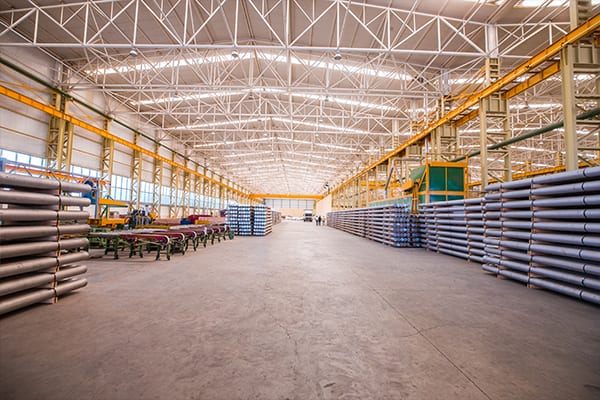
Asbestosis Claims
Historic exposure to asbestos can cause serious respiratory disease many years after the exposure occurred.

Industrial Deafness Claims
Long-term exposure to excessive workplace noise can cause permanent hearing loss and tinnitus.

Carpal Tunnel Injury Claims
Repeated workplace movements and vibration can contribute to compression of the median nerve at the wrist.

Start Your Industrial Disease Claim
If you have been diagnosed with a work-related illness and want to understand whether you may have a claim, we are here to help. Whether the exposure happened recently or many years ago, we can advise you on your options and the evidence that may be needed.
Call us on 0800 699 0079, email us at info@tylerssolicitors.co.uk, or fill in our online contact form to speak to our team about industrial disease compensation claims.
We offer a free initial conversation, clear advice and No Win No Fee representation for eligible claims.